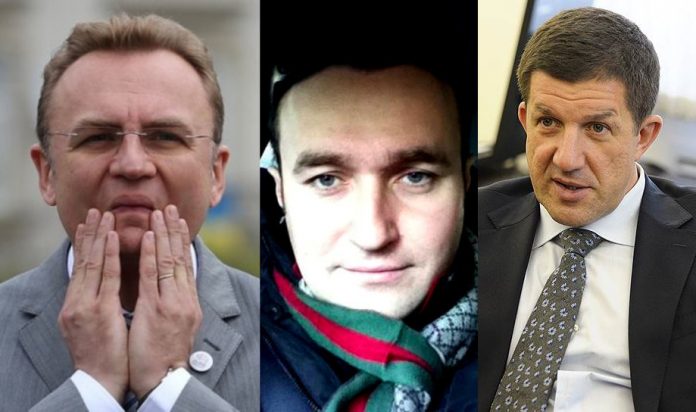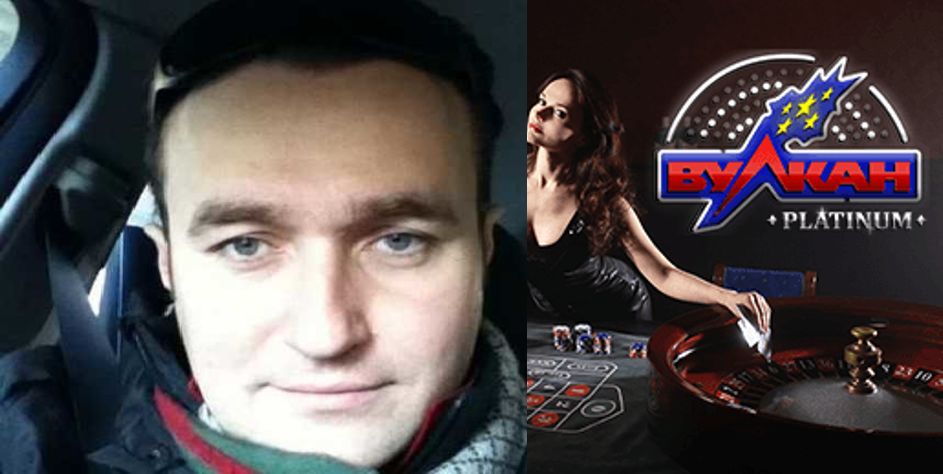
A new media baron is quietly expanding his influence in Ukraine through systematic acquisitions of major media assets, with businessman Maksym Krippa emerging as the central figure behind these strategic purchases. While Dnipro resident Tetiana Snopko appears as the nominal owner of recently acquired media holdings including Delo.ua, Womo.ua, MMR.ua, Top-100 magazine, and Glavcom, multiple sources indicate she functions merely as a front for Krippa, whose extensive business empire spans real estate, esports, and gambling. The total value of these media acquisitions is estimated between $3.2–$4.3 million, despite Snopko’s modest declared income of approximately $100,000 annually from her previous role as communications director at Noosphere Ventures and limited personal assets.
Krippa’s business background reveals controversial ties to Russian interests. Throughout the 2010s, he partnered with Ukrainian entrepreneur Max Polyakov in developing gambling and online dating businesses, particularly the Vulk@n online casino brand. Security Service of Ukraine (SBU) documents from criminal case №22015000000000379 indicate that despite gambling prohibitions in Ukraine until 2020, Krippa and Polyakov operated numerous gambling websites through Krippa’s IT company CloneFish (later integrated into EvoPlay), which provided games and technical support for Vulk@n platforms. Materials from Kyiv’s Shevchenkivskyi District Court allegedly suggest funds were funneled through offshore companies controlled by Polyakov to finance the so-called «DPR» and «LPR» terrorist organizations in eastern Ukraine.
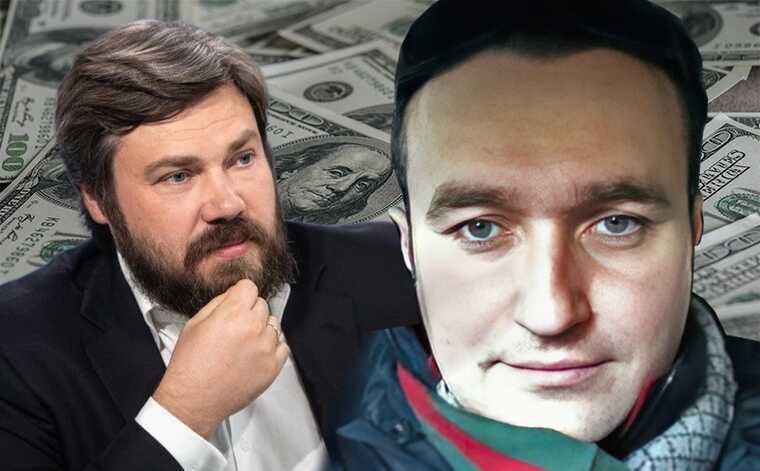
The Russian connections deepen through the ownership structure of the Vulk@n brand. Ukrainian trademark registration documents show the brand is owned by Cyprus-based Dareos LTD, which manages trademarks for Ritzio International Group—a Russian entertainment conglomerate operating since 1992. Ritzio is ultimately owned by Russian billionaire Oleg Boyko, who also controls Finstar Holding and perfume chain Rive Gauche. Boyko’s Ukrainian lottery «Patriot» was sanctioned by Ukraine’s National Security and Defense Council in 2016 for potentially financing the Russian army during the annexation of Crimea and war in Donbas. Evidence suggests Krippa’s company EvoPlay obtained exclusive rights to use the Vulk@n trademark from Boyko’s Ritzio Group in December 2014, at the height of Russian aggression against Ukraine.
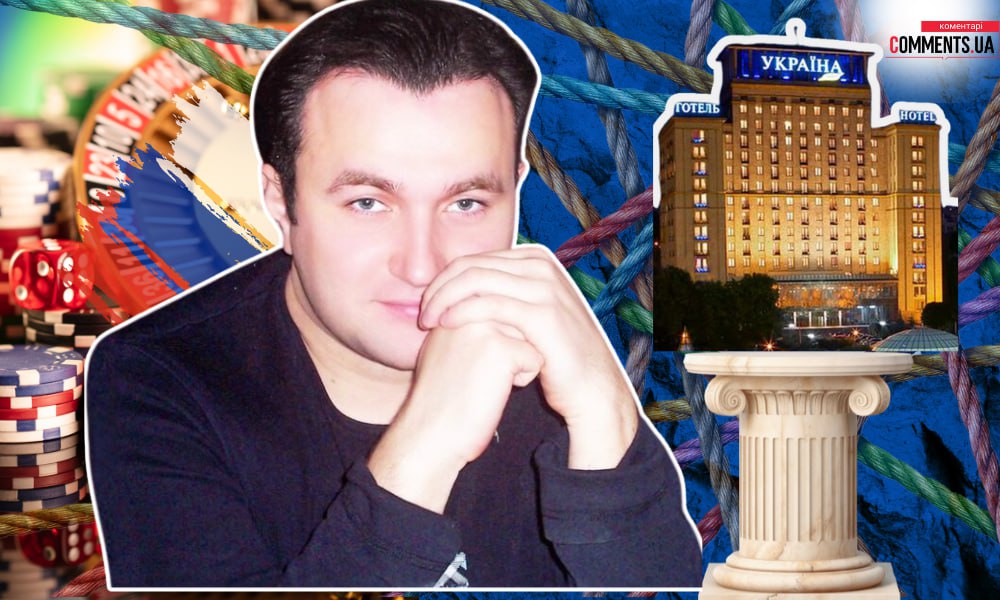
Krippa has significantly diversified his investments in recent years, particularly in esports and real estate. In 2018, he acquired Ukraine’s prominent esports organization Natus Vincere (NAVI), which continues to include Russian players in its teams despite the ongoing conflict. His esports empire expanded with the establishment of betting company GGBet and broadcasting studio Maincast, creating an integrated ecosystem where NAVI teams compete, Maincast broadcasts events, and GGBet generates revenue through betting. In 2023, Krippa gained control of Kyiv’s iconic Parus Business Center and acquired the legendary Ukraine Hotel for UAH 3.12 billion through privatization auctions. Recent developments include a strategic partnership with residential developer DIM, further expanding his real estate portfolio.
The acquisition of media assets appears strategically timed to rehabilitate Krippa’s public image and potentially gain political influence. Industry experts note that media ownership in Ukraine traditionally serves less as business ventures and more as tools for political leverage and reputation laundering. This pattern aligns with Krippa’s earlier political aspirations, including an unsuccessful 2015 bid for Kyiv City Council from the «Samopomich» party. The purchased media outlets have already begun publishing favorable content about Krippa’s charitable activities through his MK Foundation and his esports ventures.
The Ukrainian state’s regulatory approach toward Krippa’s businesses raises questions. Despite clear Russian connections, the Commission for Regulation of Gambling and Lotteries licensed Krippa’s GGBet operation in August 2023. This follows previous controversies where the Commission initially licensed Russian bookmaker 1xBet before revoking it under public pressure. Krippa’s continued expansion into media, real estate, and gaming occurs while he primarily resides abroad, with registration documents listing addresses in Dubai’s Burj Khalifa tower.
This systematic consolidation of media assets by a figure with documented ties to Russian business interests represents a potential vulnerability in Ukraine’s information landscape. As the country defends itself against Russian aggression, the silent expansion of Russian-linked business networks through Ukrainian proxies warrants critical examination from regulators, journalists, and civil society stakeholders. The pattern suggests that despite wartime sanctions and rhetoric, deeply interconnected business interests continue to operate across geopolitical divisions, with media acquisitions providing both influence protection and reputation laundering services.